
Valvular Heart Disease
01Symptoms
Common signs and symptoms associated with Valvular Heart Disease include:
- Breathlessness, especially on exertion or when lying flat
- Tiredness and reduced exercise tolerance
- Palpitations or an irregular heartbeat
- Swelling of the ankles or feet
- Dizziness or fainting
- A heart murmur heard on examination
02Causes & Risk Factors
- Age-related wear and calcium build-up on the valves
- A valve abnormality present from birth
- Previous rheumatic fever
- Infection of a heart valve (endocarditis)
- Heart muscle disease or a previous heart attack
03When To See A Cardiologist
See a cardiologist if you develop breathlessness, swelling of the legs, reduced exercise tolerance, or if a heart murmur has been noted. Valve disease can progress silently, so periodic review is important once it is known. Severe breathlessness, chest pain or fainting are emergencies, call 995.
04Treatment Approaches At CCI
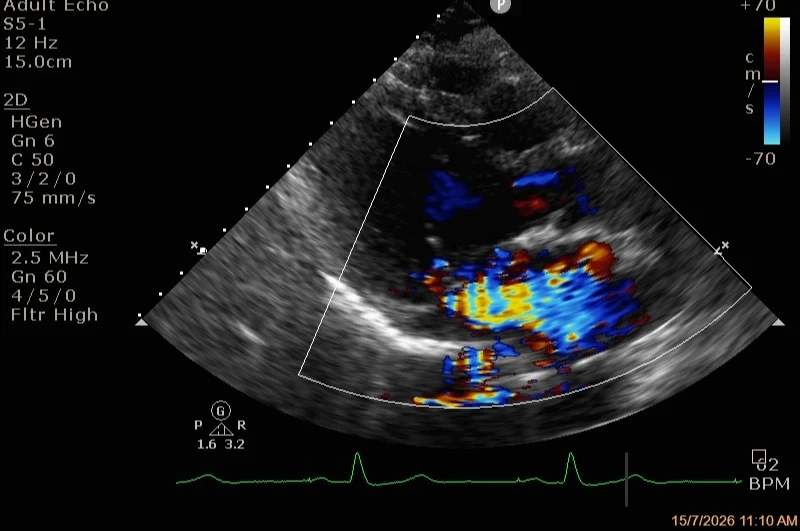
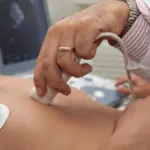
At CCI, valve problems are assessed with transthoracic echocardiography, which shows how each valve is opening and closing, supported by other tests as needed, including transesophageal echo. Mild disease is monitored over time, while more significant disease is managed with medication and, when appropriate, referral for valve repair or replacement. Dr Lee also manages the heart rhythm problems that can accompany valve disease.
05Diagnostic Tests & Procedures
Tests and treatments Dr Lee may recommend for this condition:

Frequently Asked Questions
How is valvular heart disease detected?
An echocardiogram is the key test, showing each valve in motion and measuring how well it opens and closes. A murmur on examination often prompts this scan.
Does every leaky or narrowed valve need surgery?
No. Many people with mild valve disease simply need regular monitoring. Surgery or a procedure is considered when the disease becomes significant or causes symptoms.
Can valve disease cause an irregular heartbeat?
Yes. Valve disease puts stress on heart and can lead to rhythm problems such as atrial fibrillation, which Dr Lee, as a cardiac electrophysiologist, is well placed to manage.
Get A Specialist Heart Assessment
Early diagnosis makes a real difference. Book a consultation with Dr Lee Chee Wan at Cardiac Centre International.
Book An Appointment