
Hypertrophic Cardiomyopathy
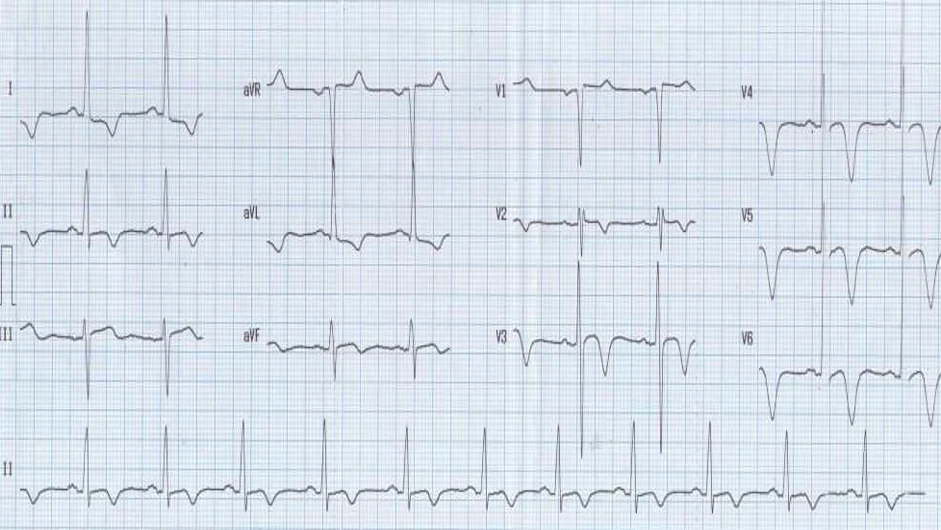
01Symptoms
Common signs and symptoms associated with Hypertrophic Cardiomyopathy include:
- Breathlessness, especially on exertion
- Chest pain or tightness
- Palpitations or an irregular heartbeat
- Dizziness or fainting, particularly during exercise
- Reduced exercise tolerance
- Some people have no symptoms and are diagnosed during family screening
02Causes & Risk Factors
- An inherited (genetic) change affecting the heart muscle, in many cases
- A family history of hypertrophic cardiomyopathy
- Sometimes associated with long-standing high blood pressure or other conditions
03When To See A Cardiologist
See a cardiologist if you have unexplained breathlessness, chest pain, palpitations, or fainting during exertion, or if a close relative has been diagnosed with HCM or had a sudden cardiac event. Fainting during exercise, severe chest pain or collapse are emergencies, call 995 immediately.
04Treatment Approaches At CCI
Assessment at CCI includes an ECG, echocardiography and, where needed, cardiac MRI, treadmill ECG and rhythm monitoring to confirm the diagnosis and assess risk. As a cardiac electrophysiologist, Dr Lee Chee Wan focuses on the rhythm aspects of HCM. Management may include medication, careful activity advice, treatment of arrhythmia, and in selected patients a device to protect against dangerous rhythms. Screening of close relatives is often recommended.
05Diagnostic Tests & Procedures
Tests and treatments Dr Lee may recommend for this condition:



Frequently Asked Questions
Is hypertrophic cardiomyopathy inherited?
Often, yes. HCM frequently runs in families, which is why screening (ECG and echocardiogram) of close relatives is commonly recommended once one family member is diagnosed.
Can I still exercise with HCM?
Many people with HCM can stay active, but the type and intensity of exercise should be guided by your cardiologist after an individual risk assessment.
How is HCM diagnosed?
Diagnosis is based on an ECG and echocardiography, often with cardiac MRI and rhythm monitoring to assess the thickness of the muscle and the risk of arrhythmia. Genetic testing may also be considered.
Get A Specialist Heart Assessment
Early diagnosis makes a real difference. Book a consultation with Dr Lee Chee Wan at Cardiac Centre International.
Book An Appointment