
Angina
01Symptoms
Common signs and symptoms associated with Angina include:
- Chest pain, pressure, heaviness or tightness, often brought on by exertion or stress
- Discomfort spreading to the arm, neck, jaw, shoulder or back
- Breathlessness
- Pain that eases with rest (stable angina)
- Pain that is new, worsening or occurs at rest (unstable angina, an emergency)
02Causes & Risk Factors
- Coronary artery disease (narrowed heart arteries)
- High blood pressure
- High cholesterol
- Diabetes
- Smoking
- A family history of early heart disease
03When To See A Cardiologist
See a cardiologist if you experience chest pain or tightness on exertion, or discomfort that spreads to the arm, neck or jaw. New, worsening or rest-onset chest pain may signal a heart attack. Call 995 immediately and go to the nearest A&E if chest pain is severe, persistent or accompanied by nausea, sweating or fainting.
04Treatment Approaches At CCI
Treatment at CCI is tailored to the cause and severity. It usually begins with making a diagnosis, assessing its severity and identifying modifiable risk factors. Treatment is holistic and include both lifestyle change and medications to reduce cardiovascular risks. Where a significant blockage is found, coronary angioplasty (PCI) or other procedures may be recommended after a coronary angiogram.
05Diagnostic Tests & Procedures
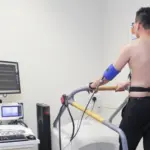
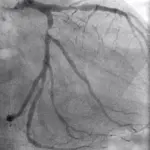
Tests and treatments Dr Lee may recommend for this condition:


Frequently Asked Questions
Is angina the same as a heart attack?
No. Angina is chest pain from reduced blood flow that usually eases with rest; a heart attack is a 100% blockage that damages the heart muscle. Angina is, however, an important warning sign and should be assessed promptly.
How is angina diagnosed?
Angina may be suspected based on clinical history. Assessment may include an ECG, a treadmill stress test/stress echo, a coronary CT angiogram, and in some cases an invasive coronary angiogram to look directly at the arteries.
Can angina be treated without surgery?
Many patients are managed with medication and risk-factor control. Where a significant narrowing is present, angioplasty with a stent may be advised. Dr Lee will explain the options based on your assessment.
Get A Specialist Heart Assessment
Early diagnosis makes a real difference. Book a consultation with Dr Lee Chee Wan at Cardiac Centre International.
Book An Appointment